

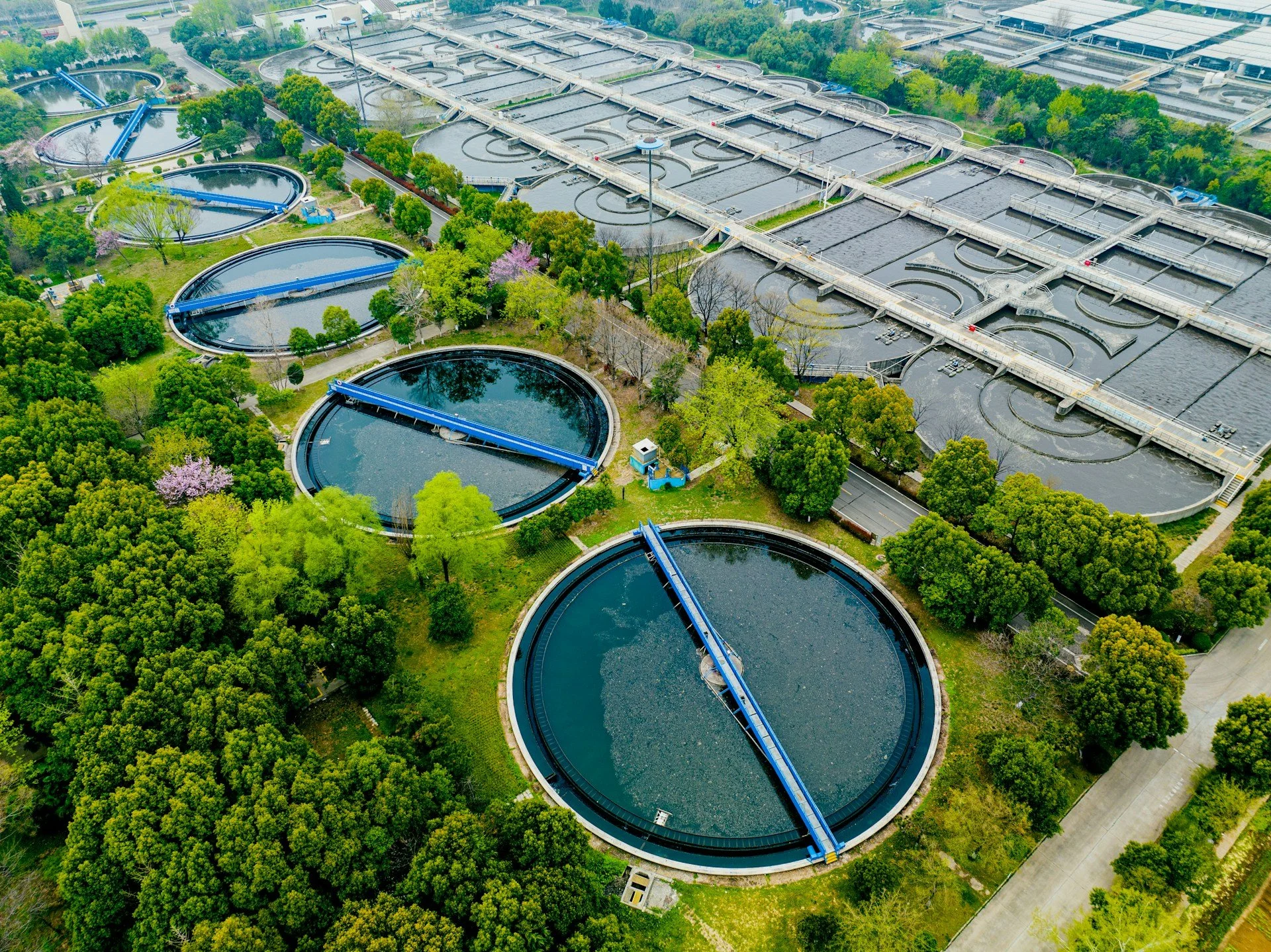
Why AGRU Ultragrip Beats Coatings in Digester Protection
Digester walls and floors see a lot of wear, especially in colder cities like Vancouver during the long winter months. Between fluctuating temperatures, chemical buildup, and heavy moisture, these spaces are some of the harshest environments for concrete.
Digester walls and floors see a lot of wear, especially in colder cities like Vancouver during the long winter months. Between fluctuating temperatures, chemical buildup, and heavy moisture, these spaces are some of the harshest environments for concrete. That’s where the right material matters. Over time, standard coatings tend to peel, crack, or break down in hard-to-reach spots like seams, corners, or joint lines.
A product like AGRU Ultragrip offers something different. Rather than sitting on the surface, it takes hold from the inside out. When used as a concrete protective liner, it provides layers of durability that coatings cannot because it is physically bonded, not just painted on. Comparing the two highlights what truly lasts when conditions push materials to their limits.
Why Digesters Present a Tough Challenge for Coatings
There is no easy route when it comes to protecting digesters. From day one, they deal with a mix of water, gases, and acids from natural processes. That means the surface they sit on is always under pressure.
• Over time, coatings exposed to this type of chemical stress start to thin out, bubble, or flake. Once one part starts to fail, nearby areas tend to follow.
• In places like Vancouver, freeze-thaw cycles only make it worse. Moisture sneaks between the coating and concrete, then expands when frozen. That movement can lift the coating right off, leaving exposed patches.
• Coatings do not grip deep into the structure. They sit on top, which can work short term, but they usually cannot stay watertight through years of temperature shifts, cleaning cycles, and pressure changes.
These challenges make coatings a temporary fix in some cases. They offer some resistance, but only up to a point. Once damage begins, it can spread fast, especially in continuous-use spaces like digesters.
How AGRU Ultragrip is Designed to Withstand Harsh Conditions
When we compare AGRU Ultragrip to typical coatings, one of the first things that stands out is how it is installed. It does not just rest on top of the surface. It locks into it using anchor points.
• The back face holds rows of studs that push into freshly poured concrete, creating a mechanical bond that will not slip or lift.
• Because the liner has built-in texture and flexibility, it allows for small movements in the structure underneath. Concrete often shifts slightly with temperature changes, and this flexibility helps prevent tiny cracks from growing.
• Unlike coatings, this liner resists problems like delamination, where materials pull away over time. Even when exposed to acids, gases, or sharp temperature swings, AGRU Ultragrip stays where it was placed.
That kind of hold is what digesters need. Once sealed, it does not rely on surface-level adhesion. It has grip deeper in the concrete, which is what helps it hold tight, season after season.
AGRU Ultragrip liners from Engineered Containment are manufactured from high-quality HDPE and PP resins. Our liners are designed specifically to withstand aggressive chemicals and the high-stress demands found in wastewater treatment facilities and digesters.
Long-Term Performance: What to Expect Over Five to Ten Years
The real test of any protective solution is time. After a few years, coatings usually show where they have worn thin, especially around corners and openings. AGRU Ultragrip does not follow the same cycle.
• After repeated freeze cycles, AGRU Ultragrip continues to bond tightly to the concrete without curling at the edges or bubbling under stress.
• It blocks vapour and moisture migration that would otherwise weaken the concrete and surrounding sealants.
• During cleanouts or seasonal emptying, digesters lined with AGRU Ultragrip do not usually need the same patch jobs, saving workers from repeating the same repairs.
This concrete protective liner simplifies what otherwise becomes a repeating maintenance loop. If installed correctly and with proper preparation, it does what coatings try to do, just on a much longer timeline.
AGRU Ultragrip’s mechanical anchoring and chemical resistance help meet strict environmental standards for secondary containment in municipal and industrial infrastructure projects.
Making the Switch: When to Choose Ultragrip Over a New Coating
Not every digester is built the same, and not all reach failure at once. One of the most common times we see AGRU Ultragrip used is in retrofits, when older coatings are not holding up anymore.
• If a digester is already showing chemical wear, or if the surface is too rough to hold another layer of coating, a bonded liner becomes the better option.
• Corners, risers, flanges, and irregular shapes are hard to coat evenly. That unevenness leads to early wear. AGRU Ultragrip covers these spots with better consistency.
• The preparation and install are more involved, and the liner needs to be done right. But once it is locked in, the difference is noticeable.
When the goal is longer life, fewer shutoffs, and sharper performance under pressure, the shift from paint-style coatings to bonded lining starts to make more sense.
Digester Protection That Will Not Flake Out
Materials will always face pressure inside environments like digesters. That is not something we can avoid. But we can choose the ones that answer that pressure with strength rather than surface-level fixes. AGRU Ultragrip offers a repair-resistant option that sits deeper into the concrete, where the wear usually starts.
Coatings may be faster to apply, but they often do not last past the first few tough seasons in colder climates like Vancouver. AGRU Ultragrip does not flake, does not peel, and does not let water pull it from the concrete. It is built not just to stay put, but to hold over time, movement, and chemistry without asking for constant maintenance.
When your digester in Vancouver starts to show surface breakdown or you are considering a retrofit, short-term fixes can lead to bigger headaches down the road. We have seen coatings fail under freeze-thaw cycles, regular chemical exposure, and physical stress in corners and seams. A bonded system like a concrete protective liner delivers protection that lasts. At Engineered Containment, we work with solutions that bond directly to your structure for better durability and peace of mind. Reach out to discuss how we can support your project's long-term success.
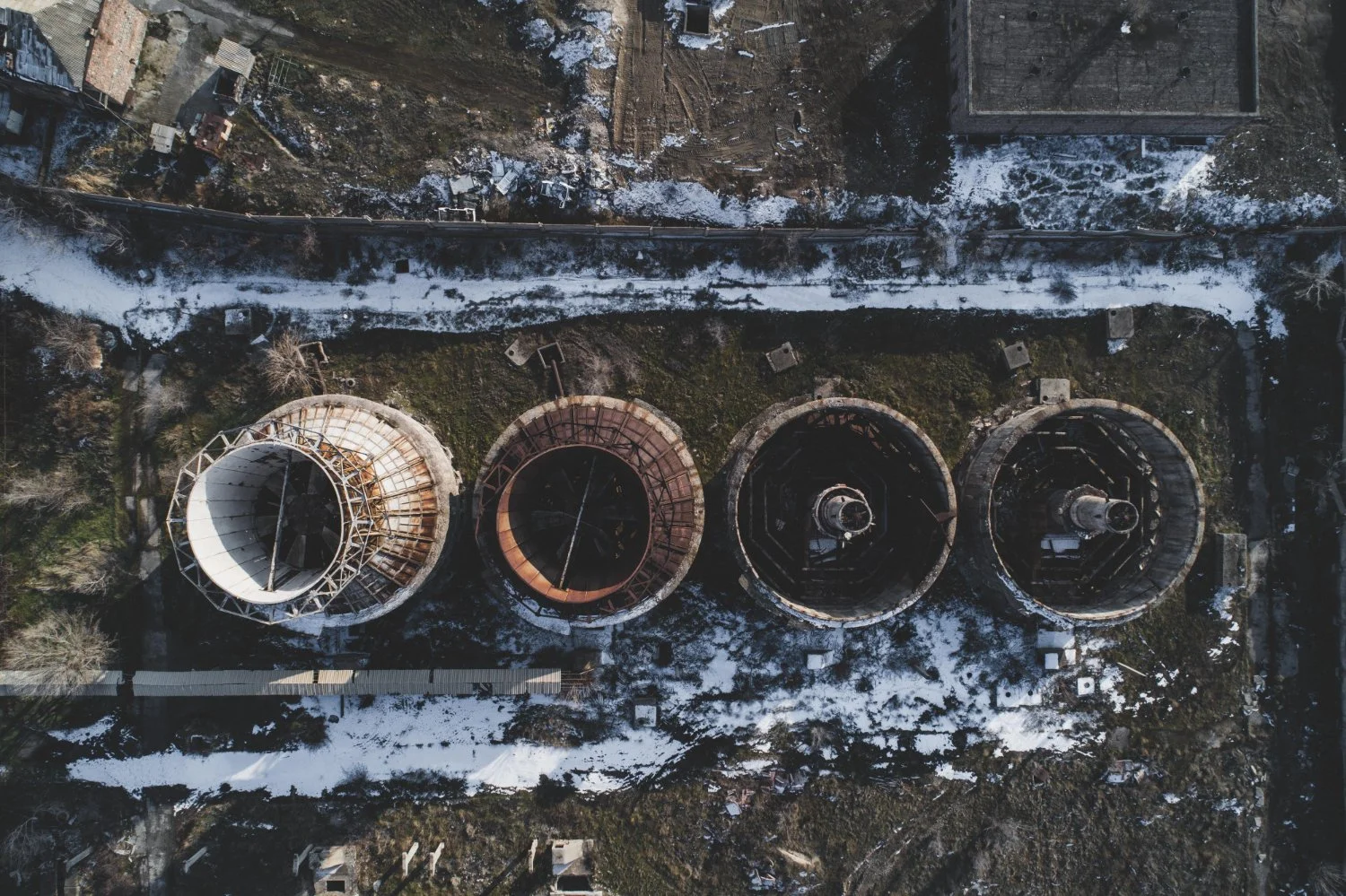
Does AGRU Ultragrip Work with Older Concrete Structures?
As infrastructure ages across cities like Vancouver, many concrete structures are entering their third or fourth decade of service. Wastewater treatment facilities, service tunnels, and utility vaults often need upgrades, but tearing them out entirely isn’t always an option.
As infrastructure ages across cities like Vancouver, many concrete structures are entering their third or fourth decade of service. Wastewater treatment facilities, service tunnels, and utility vaults often need upgrades, but tearing them out entirely isn’t always an option. Instead, we look for materials that can extend the life of what’s already there. A concrete protective liner can be part of that plan, but not every product bonds well to old, worn-out concrete. AGRU Ultragrip is known for strength in new construction, but its compatibility with existing surfaces is just as important. Choosing it for a retrofit means knowing what conditions make the install successful.
Understanding the Challenges of Older Concrete
Before lining any ageing concrete, we make sure we understand what we're working with. Old structures come with a set of problems that newer ones do not.
• Cracks and chips are often the first obstacle. These act like stress points that can prevent the liner from bonding fully.
• Surface wear and patching over time may leave behind residues or uneven planes. That makes the contact layer less reliable for mechanical grip.
• Water movement inside the walls, even if it is minor, can show up as damp spots or surface sweating. Where that water gets trapped, it can weaken the hold between the liner and the concrete.
• Some older tunnels or vaults may also have shifted slightly with age or settling, creating misaligned corners or joints that are hard to seal properly.
Each challenge does not rule out success, but it shapes how we approach the job.
How AGRU Ultragrip Is Built to Bond
When we choose AGRU Ultragrip for older surfaces, it is because of its design. This liner uses anchor studs along the back face, giving it a physical grip when it is pressed into freshly poured concrete. That is a strong starting point for new builds. With existing concrete, the approach is different, but there are still reasons we favour it.
• The textured surface resists movement, holding tight even when placed over less-than-perfect sections.
• Its resistance to chemicals means it holds up better in spaces where the water or runoff may have left behind corrosive traces.
• It remains flexible during curing, so minor movements in expansion or shrinkage do not turn into failures. This is especially useful when the surface cannot be fully reshaped beforehand.
That combination helps the liner adapt to the surface rather than work against it.
AGRU Ultragrip systems are manufactured with premium-grade HDPE and PP, making them ideal for chemical, wastewater, and process water applications. Our liners provide high mechanical strength and corrosion resistance, which benefits retrofits by extending the usable life of older infrastructure.
Prepping Older Concrete for a Better Finish
Installing AGRU Ultragrip over old concrete is not just about rolling it into place. The results always depend on preparation. Before the liner ever makes contact, we look at the surface like a canvas that needs to be ready to receive it.
• Surface profiling helps remove any old sealants, paint, curing agents, or previous liner residue. These layers can block the liner from bonding.
• Micro-cracks, soft edges, or crumbling sections need patching. If not fixed, they become failure points during the bond or over time.
• Moisture testing is key. If the concrete still contains subsurface water or is too cold, it can prevent the anchor studs from embedding properly or affect adhesive properties if an additional bonding agent is used.
Working with older surfaces means double-checking small details. Missing even one can cause peel-back after the liner gets exposed to pressure.
Our team uses preparation techniques tailored for retrofits and rehabilitation projects, which allow AGRU Ultragrip to meet the demands of diverse structures. Our experience with detailed surface assessment has helped us deliver long-lasting outcomes on critical infrastructure across British Columbia and Alberta.
When AGRU Ultragrip Works, And When to Rethink It
We have had projects where AGRU Ultragrip worked reliably with older structures and others where we needed to consider different steps or add reinforcement.
• It works best when the surface is clean, relatively smooth, and structurally sound beneath. Minor age is not a problem if there is a true surface layer for bonding.
• If the concrete is too soft or fractured, the anchor studs may not get the resistance they need. That can cause slippage once water pressure builds.
• Active leakage or cracks that expand seasonally need to be addressed before lining. AGRU Ultragrip holds its seal, but only if the surface stays stable beneath it.
These situations call for honest assessment. Not every install will be a perfect fit without some extra effort. The key is knowing where the risk points are and adjusting our approach from the start.
Performance and Longevity in Cold Season Retrofits
A big part of liner performance is not just about the surface. It is about timing. For places like the Lower Mainland or Northern regions of British Columbia and Alberta, winter retrofits come with colder challenges.
• Freeze-thaw cycles can lift liners if they were not installed under the right conditions. Concrete contracts in the cold, and any trapped water between the surface and liner turns to ice.
• Warmer air one day and freezing the next makes curing timelines unpredictable. AGRU Ultragrip responds well when cured properly, but skipping wait times or rushing installation can affect the bond.
• We monitor surface temperature closely during winter jobs. It helps us know exactly when to apply the liner and when to pause. AGRU's flexibility does help with thermal expansion, but it only works well if the bond is solid from the start.
In Vancouver, working through December and January means being ready for sudden wet weather and watching how those changes hit the jobsite every day.
Revitalizing Infrastructure with AGRU Ultragrip
We do not always start with fresh concrete, and often, we are not supposed to. That is why a methodical approach to upgrades is necessary. AGRU Ultragrip can give older structures new life, but it depends on preparation, judgment, and a good understanding of the surface beneath it.
A concrete protective liner only performs if the base it is sitting on is ready. When prepared right, AGRU Ultragrip clings, flexes, seals, and lasts. This gives ageing infrastructure a second chance without having to knock it down and start over.
Planning a retrofit in Vancouver or the surrounding area means choosing materials that stand up to local conditions and perform well over time. Our team at Engineered Containment works with you to make sure every installation uses the right product and technique for adapting to older concrete surfaces. Selecting a trusted solution like a concrete protective liner that performs reliably in tough Canadian environments helps keep your project on budget and schedule. Connect with us today to discuss how we can support your next project.
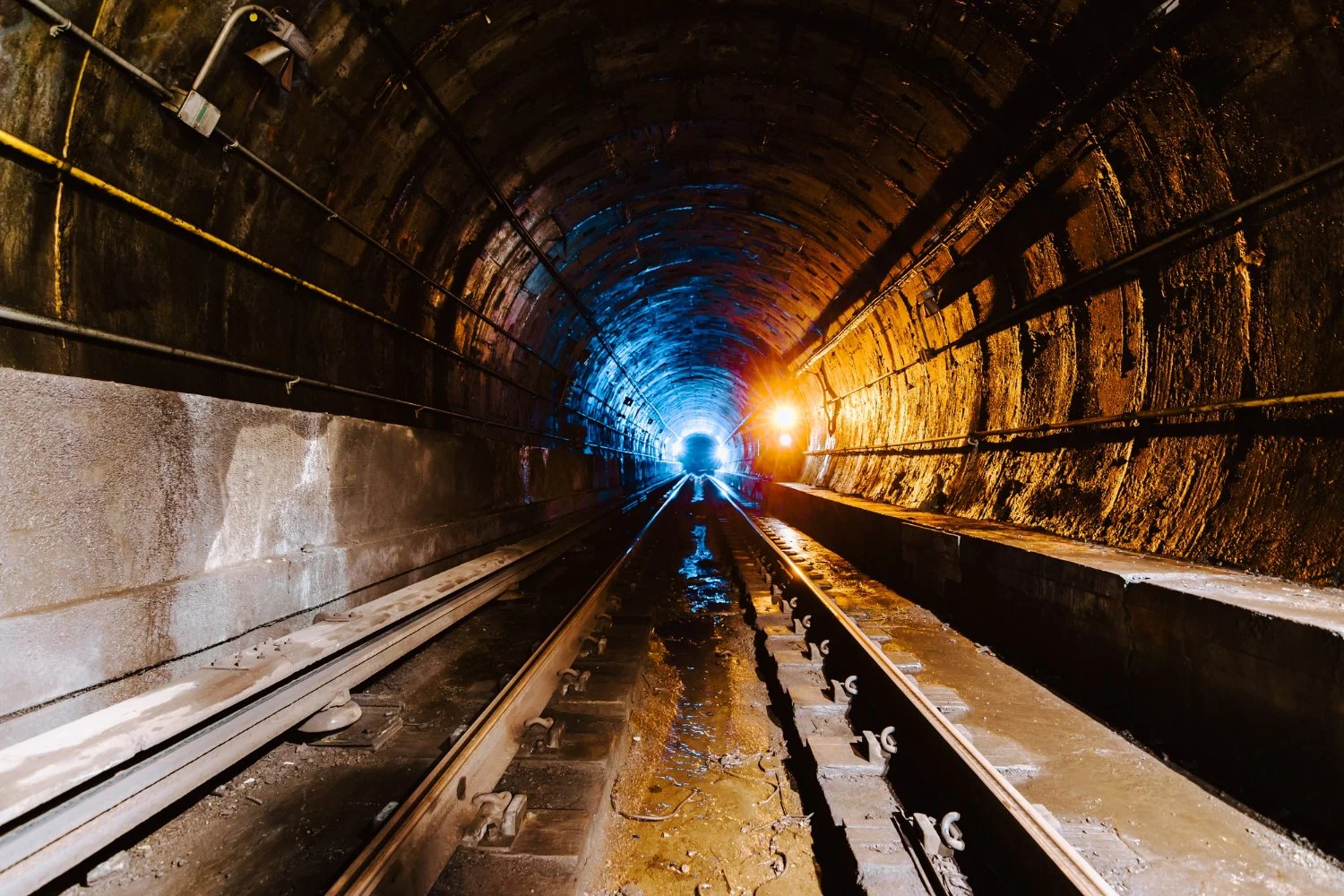
How Engineers Choose Liners for Winter Tunnel Rehabs
Tunnel upgrades in winter aren’t like warm-season repairs. Cold weather adds layers of pressure to each job, especially in places like Vancouver where temperatures dip hard and moisture hangs in the air.
Tunnel upgrades in winter aren’t like warm-season repairs. Cold weather adds layers of pressure to each job, especially in places like Vancouver where temperatures dip hard and moisture hangs in the air. Frozen surfaces, compressed joints, and limited curing time all push liner materials to their limits. When lining underground structures during December or January, we look for materials that don’t just hold up but bond tight, flex with stress, and stay stuck.
Picking a concrete protective liner isn’t just about checking boxes. It’s about knowing what matters most when your tunnel rehab needs to last through freezing rain, snow runoff, and repeat freeze-thaw cycles. AGRU Ultragrip liners often make that list because they’re built for tough conditions that don’t wait for a warm day.
What Makes Winter Tunnel Conditions So Demanding
Working underground in winter doesn’t guarantee protection from the cold. In many cases, those spaces get colder because moisture collects, ventilation is limited, and freezing air sits trapped. That alone affects the surface where any liner has to bond.
• Freeze-thaw cycles are one of the biggest problems. Even small amounts of trapped water in pores or gaps can freeze, expand, then contract. It causes materials to pull away or crack, especially at transitions and joints.
• Winter limits curing time. Concrete needs a certain level of dryness and warmth to bond with liners. When the air is cold and wet, those bonding conditions aren’t easy to come by. Rushing this step is risky.
• Tunnel interiors can hold humidity. That means liner surfaces might look fine at first but begin bubbling, lifting, or pulling back once ice forms behind them.
These factors make liner selection harder in the northern months, not just because of the product itself but the unseen pressures it’s about to face.
Material Properties Engineers Look For
When engineers choose materials for winter tunnel rehabs, they aren't just checking labels. They’re asking how the liner will hold up when conditions start to shift in ways nobody can fully control.
• Slip-resistant surfaces create a better mechanical bond. Textured liners grip the concrete more securely than smooth sheets and can resist movement even if the concrete shifts slightly.
• Liners with strong thermal resistance won’t get brittle when the temperature drops. That flexibility becomes more important as concrete expands and contracts.
• Materials that don’t crack or delaminate help keep small problems from spreading. Even hairline gaps can let water enter and freeze, making the separation worse over time.
An effective liner needs to flex without breaking, bond without pulling, and hold its seal even as the tunnel moves and breathes through the season.
Why AGRU Ultragrip Is Often the First Pick
We’ve seen firsthand how AGRU Ultragrip performs in cold tunnels. It isn’t guesswork. It’s about how the liner is physically designed to stay where it’s supposed to, even as temps shift fast.
• AGRU Ultragrip liners use built-in anchor studs on the back, which bond into the fresh concrete. That mechanical lock-in adds strength at every touch point.
• They don’t just work in clean water tunnels. Their chemical resistance makes them strong in mixed or industrial flow systems, where runoff might carry more than just ice.
• These liners have been used in cold climates before, making them a trusted choice when the risk of failure is higher. Engineer confidence goes up when there’s field data behind a choice.
AGRU Ultragrip liners are manufactured from HDPE and PP resins, providing superior chemical and mechanical resistance for applications like industrial tunnels and wastewater systems. Their secure anchor profile delivers reliable mechanical bonding that stands up to high-moisture environments and repeated thermal cycling.
This kind of proven, anchor-backed structure is what earned Ultragrip its place in many winter project specs.
Installation Strategies That Support Liner Performance in Cold Weather
A good liner only works if the install made room for it to succeed. Winter weather takes away some of those margins, so every step matters more.
• We always make sure waiting time for concrete curing is clearly defined if temps are low. If the concrete surface is too damp or cold, the liner won’t bond the way it should.
• Shortcuts don’t pay off in cold setups. Some try to push liners into place even if the air temp is too low or the tunnel roof has frost. Fixing a misstep later costs far more.
• We use surface temperature monitors to confirm curing stages and track the liner’s exposure. Making changes on the fly based on readings helps avoid failure points before they lock in.
Engineered Containment crews follow industry best practices for surface prep and curing, underlining the importance of clean, dry, and properly prepared surfaces before liner placement. Our experience ensures each install stands up to the demands of Vancouver’s cold tunnel environments.
A rushed winter install can look okay on day one, then fail at the seams a few weeks later. That’s not a chance most tunnel rehabs can afford.
Common Mistakes That Undermine Liner Success
When liners fail in winter, it usually ties back to missed prep or pushed timelines. Even one skipped detail can weaken everything when the freeze sets in.
• Pre-existing cracks or rough patches in the concrete can create soft spots underneath the liner. If missed, these become water entry points.
• Some skips happen during surface prep. If water, chunks, or cold spots are ignored, the liner won’t sit flush. Later, that uneven fit becomes a blister or lift.
• Seams and joints are weak areas if not treated right. Poor termination around tunnels, vents, or outlets leaves edges that peel back once frost takes hold.
Winter doesn't give second chances on poorly seated liners. Attention up front saves serious trouble when the tunnel goes live again.
Planning Ahead for Long-Term Tunnel Protection
The right concrete protective liner doesn’t just solve a short-term need. It keeps a repaired tunnel from needing more patchwork next season. In places like Vancouver, where long wet winters and moderate freeze cycles repeat year after year, that matters.
When we prep a rehab around this time of year, we focus on performance that lasts from the final week of December into early spring. That window carries more risks than most others. Liner selection, tunnel layout, and curing timelines all need to match up for the install to hold firm.
A solid liner choice now blocks problems before they reach the surface. It limits how much water works its way behind the barrier later on. That kind of protection saves more than money. It saves headaches, shutdowns, and costly returns when winter isn’t done playing rough.
Securing Tunnel Performance in Vancouver’s Winter
When winter rehab projects take on Vancouver’s challenging conditions, selecting materials that deliver real-world performance is important. For tunnel upgrades facing freeze-thaw cycles and moisture, a concrete protective liner that bonds tightly and maintains a solid seal makes all the difference. At Engineered Containment, we work with these systems every season and know what actually lasts when the weather won’t cooperate. Call us to discuss your cold-season plans and ensure your project stands the test of time.
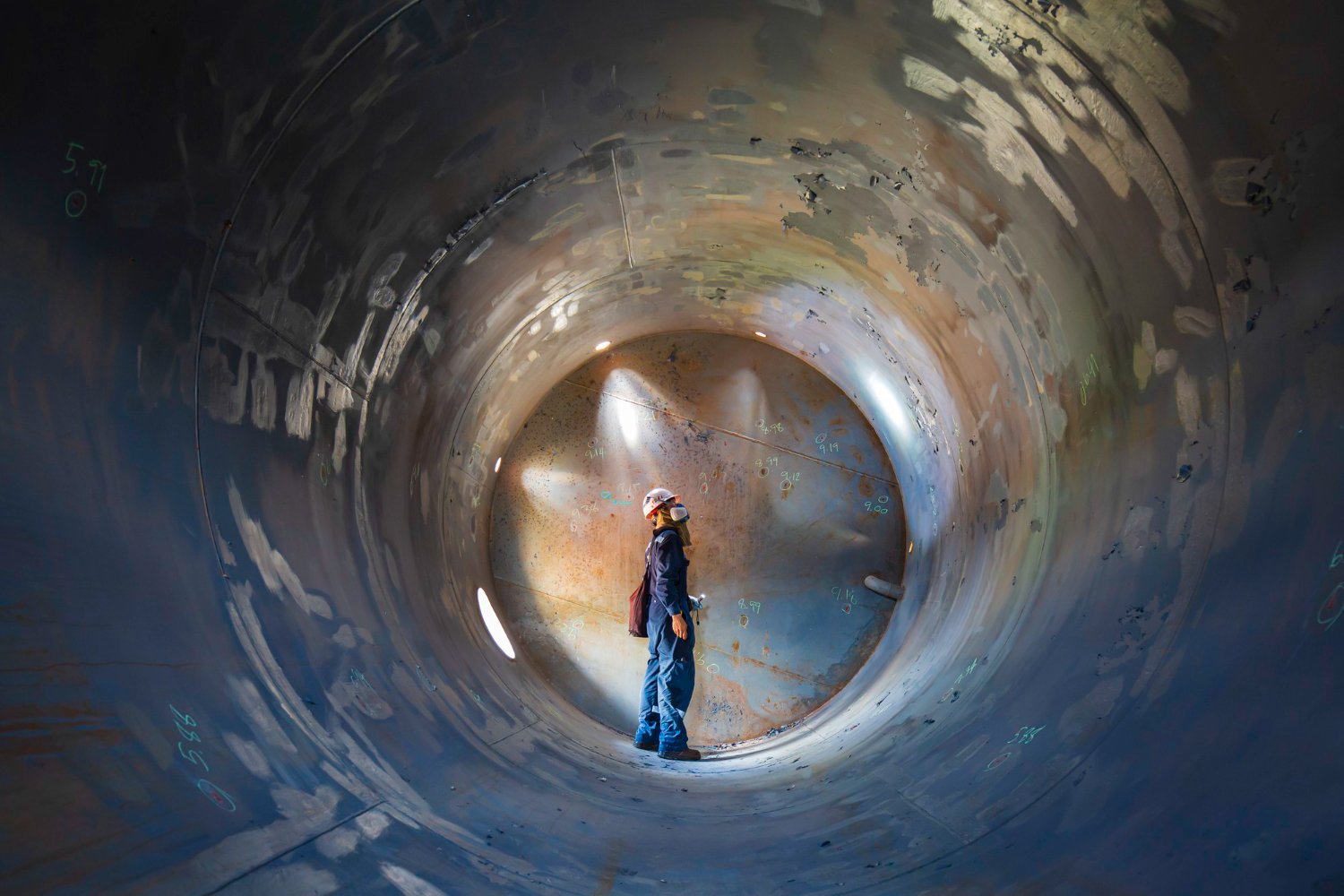
What to Inspect Before Cold Weather Hits Reinforced Concrete
When cold weather rolls into Vancouver, reinforced concrete systems face real challenges. Freeze-thaw cycles test every joint, seam, and surface where water can sneak in and expand. A concrete protective liner like AGRU Ultragrip can hold strong through the worst of winter, but only if it’s installed correctly and checked before lower temperatures settle in. There’s a short window to catch early warning signs before they turn into bigger problems once the cold fully arrives. Below are key areas we always check before winter pushes systems to their limit.
Check for Surface Moisture and Liner Separation
Concrete needs time to dry properly before any liner goes on. If it was damp on install day or if the surface wasn't fully cured, moisture can hide underneath and wait. Once winter hits and that hidden water starts to freeze, it expands and pulls at the liner.
Signs to watch for:
• Bubbling or blistering in the liner surface
• Lifted edges around corners or floor joints
• Slight waves where the liner once sat flush
We pay close attention to corners and transitions since those areas collect water more easily. Early frost can get trapped overnight, leading to slow but steady separation. A simple surface test can catch moisture that was missed during fall. Even if everything looked fine at the start, once the air turns cold and wet again, small problems can grow fast. If you notice these signs early, you can often prevent bigger complications from forming under the liner. Regular checks around these areas keep damage under control before it gets out of hand.
Inspect Seam Integrity and Joint Movement
All concrete moves a little when temperatures change. In warmer months, that movement might go unnoticed. But when the cold hits and continues for weeks, seams and joints feel every shift.
Here’s what we flag during checks:
• Thin gaps forming along horizontal and vertical seams
• Slight overlaps that no longer line up perfectly
• Stretched or compressed joints that shift under finger pressure
We always give extra care to spots where the liner connects to other materials because mixed surfaces move at different rates. Anchored seams sometimes look solid but can disconnect under pressure. If the bond can't flex with the structure, it risks peeling back in midwinter when the concrete shrinks and bends with the cold. Small movements in these areas can break the liner’s protective seal and let moisture in, which is why close visual inspection is important every year. Spotting these changes early means you can adjust or repair seams before stress leads to cracks or larger failures in the liner.
Assess Previous Repairs and Patch Jobs
Last season’s patches might look strong now, but cold has a way of testing every fix. We walk back through every known repair before winter tests its work.
What we re-check:
• Any cracking around the edge of a patch
• Curling or rising of liner patches at the corners
• Faint colour or texture changes that signal material breakdown
Fixes that were rushed or placed over uneven surface conditions can wear out faster in cold. If the patch didn’t fully bond, the liner starts to loosen once temperatures fall. Catching this before full winter arrives gives time to rework patches while access is still easy and the curing process remains stable. This proactive step makes sure previously patched areas don’t become the first point of failure. Old repair sites are usually where new leaks or peeling start, so keeping a record of patch locations is helpful for future inspections.
Review Anchor Points and Exposed Fixings
Metal inserts, bolts, and other fasteners are problem spots when temperatures swing. Concrete contracts differently than metal, especially after a few freeze-thaw events.
Things we check first:
• Raised or sunken anchor points
• Rust showing around fasteners
• Liner tension pulled unusually tight near brackets
If debris or moisture sits around these high-stress connections, ice can form and press outward from under the liner. Over time, this pressure pulls material loose and lets water tunnel through. Early-season cleaning and basic checks can keep that from happening. Unchecked, one loose point can cause much wider damage across a seam or panel. It’s helpful to tighten or adjust these fasteners before the temperature drops. Checking for rust also gives an early sign of water infiltration, so quick cleaning and replacement when needed can make a big difference in winter durability.
Evaluate Drainage and Runoff Paths
We look beyond the liner too. The way water moves across the outside of the structure matters just as much as what’s inside.
Here’s what we focus on:
• Blocked drains or slow runoff areas near seams
• Slopes that angle flow straight toward liner edges
• Water tracks or stains that point to poor direction runoff
If water isn’t moving away, it finds its way underneath. When that water freezes, the expansion it causes can lift and separate liner layers over days or weeks. We check drainage angles and run short flow tests when needed. It helps confirm whether surface water collects longer than it should and reduce the chance of slow leaks developing under the liner when late December storms hit. Proper grading, clear gutters, and kept-open drains all lower the risk of water damage when snow and ice melt quickly after a cold snap. Watching for signs of soil erosion or stains near foundation walls is another way to spot problem drainage before winter sets in hard.
Why Winter Inspection Matters for Liner Longevity
Our team installs concrete protective liners using value engineering practices and high-chemical-resistant materials, like those found in AGRU Ultragrip systems. These liners offer secure anchoring and long-term performance for wastewater, chemical containment, and environmental protection. Regular pre-winter inspections let us catch evolving problems before serious damage occurs, helping your structure last through multiple cold seasons.
There’s not much warning when a liner fails in winter. By the time the damage shows on the surface, water has already found a way inside. That’s why these inspections matter most just before winter fully lands.
The earlier we catch signs of separation, movement, or wear, the smaller the fixes tend to be. A ripple at a seam now is more manageable than a torn panel by February. Keeping control over these smaller details gives reinforced concrete systems a better shot at getting through the cold without larger setbacks. A bit of inspection now keeps big repairs off the list later. Even simple routine checks can make a difference for keeping the system in top shape all season.
Protect Your Concrete Liner Before Winter in Vancouver
As cold weather settles in around Vancouver, now is the ideal time to confirm your concrete liner is performing at every seam, patch, and curve. At Engineered Containment, we pay close attention to how each system was installed, especially when winter conditions cause materials to flex. Noticing movement in joints or signs of previous repairs breaking down? Don’t risk worsening damage, discover how a properly installed concrete protective liner can withstand freeze-thaw stress across your structure. Give us a call and we’ll walk you through what to watch for next.